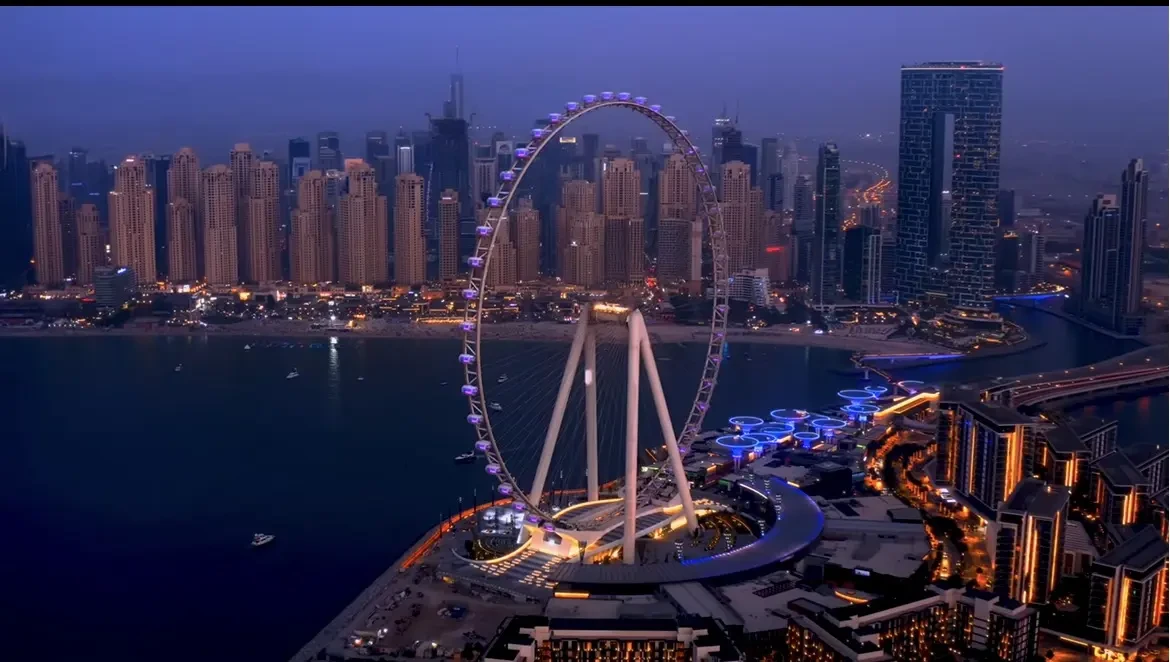

Electric vehicles changed the glass layout of the average car. Panoramic roofs, larger windscreens and slimmer pillars add up to more glazing per vehicle than most combustion models carried a decade ago, and that changes where film demand sits.
Why glazing area matters
Cabin heat arrives three ways: through the body, from outside air, and as radiation through glass. In a car with a large roof panel, radiation is the part drivers notice first, because a hot roof panel radiates directly onto the seats and head area. Solar-control film addresses that radiated load, which is why interest in the category follows glass-heavy vehicle designs rather than sales volumes alone.

What buyers ask for
- Roof and rear glazing film that keeps visible light high while reducing infrared transmission.
- Windscreen options that stay within local visible-light rules.
- Film that is compatible with factory coatings on laminated glass.
- Clear specifications, because buyers compare datasheets rather than showroom impressions.
Planning the range
Distributors serving EV-heavy markets usually stock two or three solar-control grades rather than one: a high visible-light grade for windscreens and side glazing, a mid grade for roofs, and a darker grade for rear glazing where local rules allow it. Roof film covers a small area in square metres but is a high-value item per vehicle, so it is worth listing separately from full-car kits.
We supply window film in 1.52 m rolls and in cut rolls, and can advise on which grades suit glass-heavy vehicles in your market. Contact our team for current datasheets.