Self-healing paint protection film has become a key selling point in the PPF market, but the term is sometimes misunderstood by both installers and end customers. The self-healing effect is not magic — it is a well-understood materials science phenomenon that occurs within specific conditions. Explaining these conditions accurately helps distributors build trust and reduce warranty disputes.
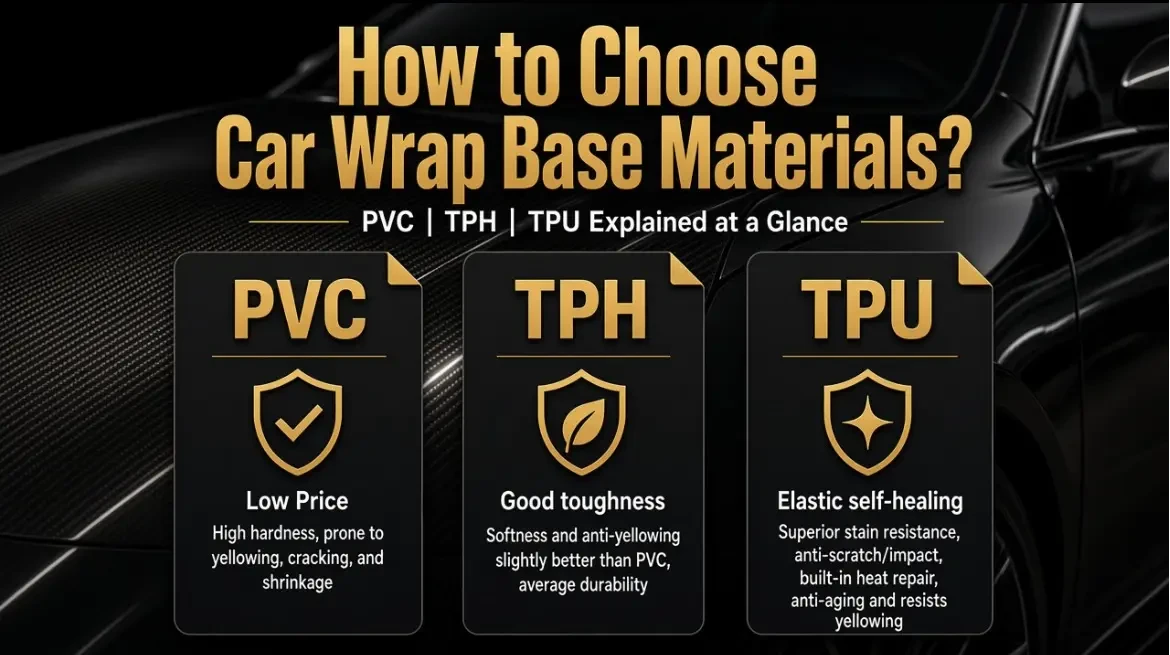
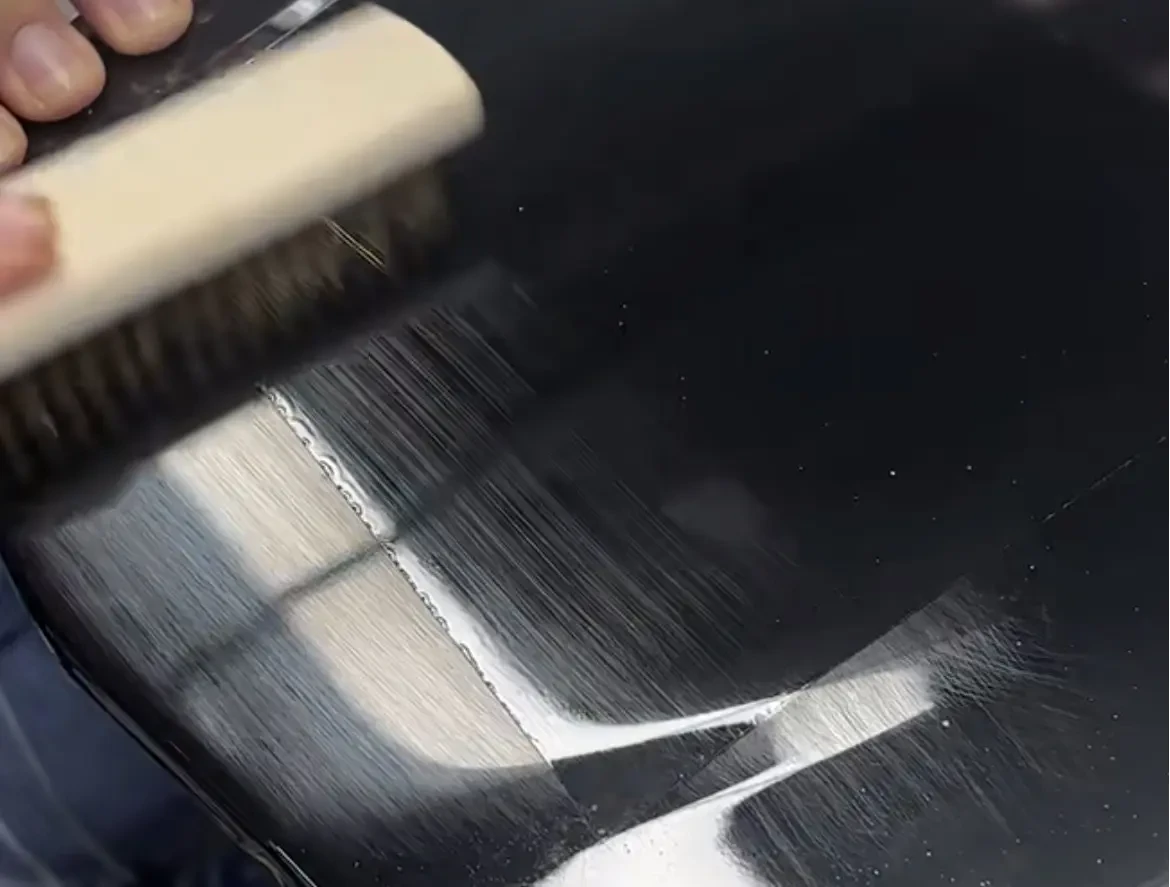
The self-healing mechanism relies on the molecular structure of the TPU top coat. When the film surface receives a minor scratch, the polymer chains in the coating are displaced but not broken. Applying gentle heat — from sunlight, warm water or a heat gun — gives the molecules enough energy to return to their original arrangement, effectively erasing the scratch. This process works reliably for swirl marks, light scuffs and fine abrasions that only affect the top coat layer.
It is important to understand the limits of self-healing. Deeper scratches that penetrate through the top coat into the TPU base layer or the adhesive will not heal. Sharp impacts from gravel or road debris that cause punctures or tears are also beyond the scope of self-healing. Distributors should communicate these boundaries clearly to workshop partners so that customer expectations remain realistic.
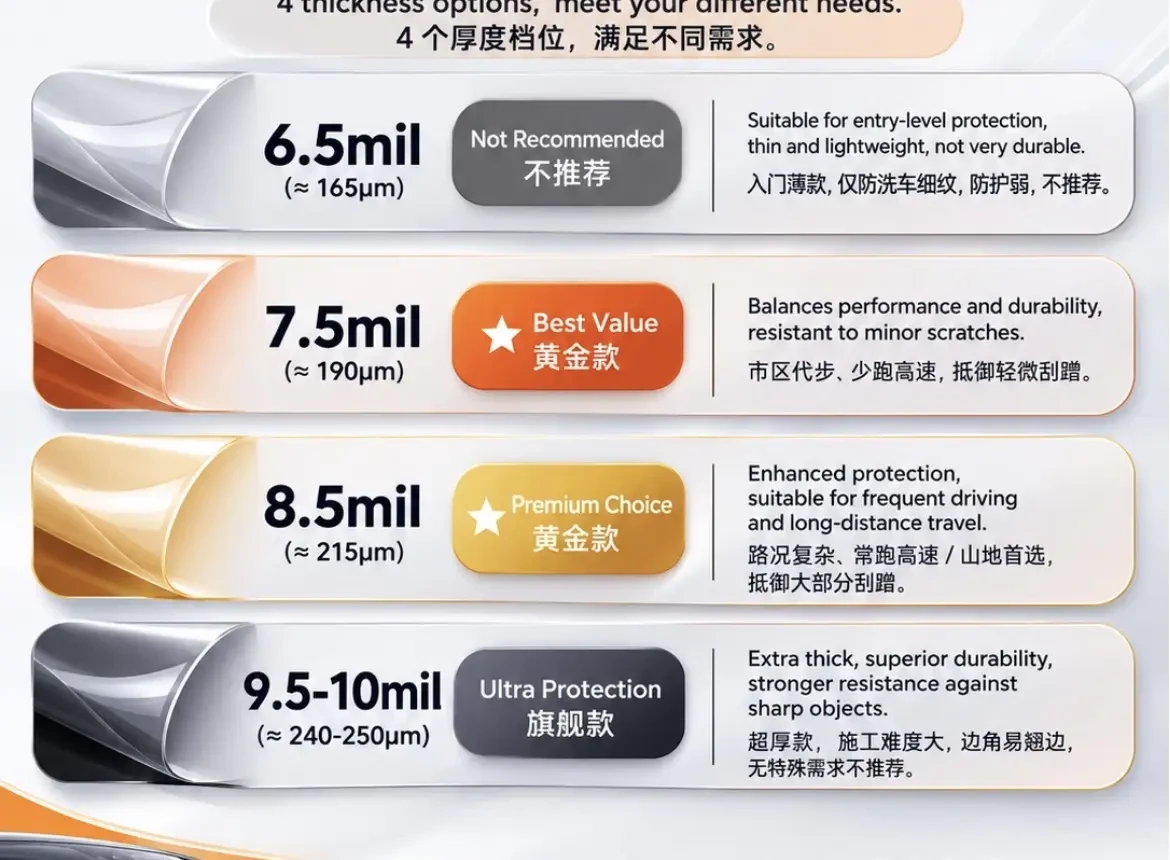
The quality of the self-healing effect varies between manufacturers and depends on the coating formulation, film thickness and curing process used during production. Films with a well-engineered top coat can recover from light scratches within minutes under warm conditions, while lower-quality alternatives may show slower or incomplete recovery. When evaluating suppliers, request sample rolls and conduct controlled scratch-and-heal tests under consistent conditions.