
Glass roofs are common on new electric vehicles and rare on older cars, which means many installers meet them for the first time on a customer's new vehicle. A little preparation makes the job predictable.
Access and cleanliness
Roof glass is above eye level, so contamination is easy to miss. Working from a stable platform, cleaning the glass with a squeegee and a lint-free wipe, and keeping the surrounding trim protected all reduce rework. Where a roof panel is fixed, plan the film layout before wetting the glass.
Handling the curve
- Use a film grade with enough conformability for a compound curve.
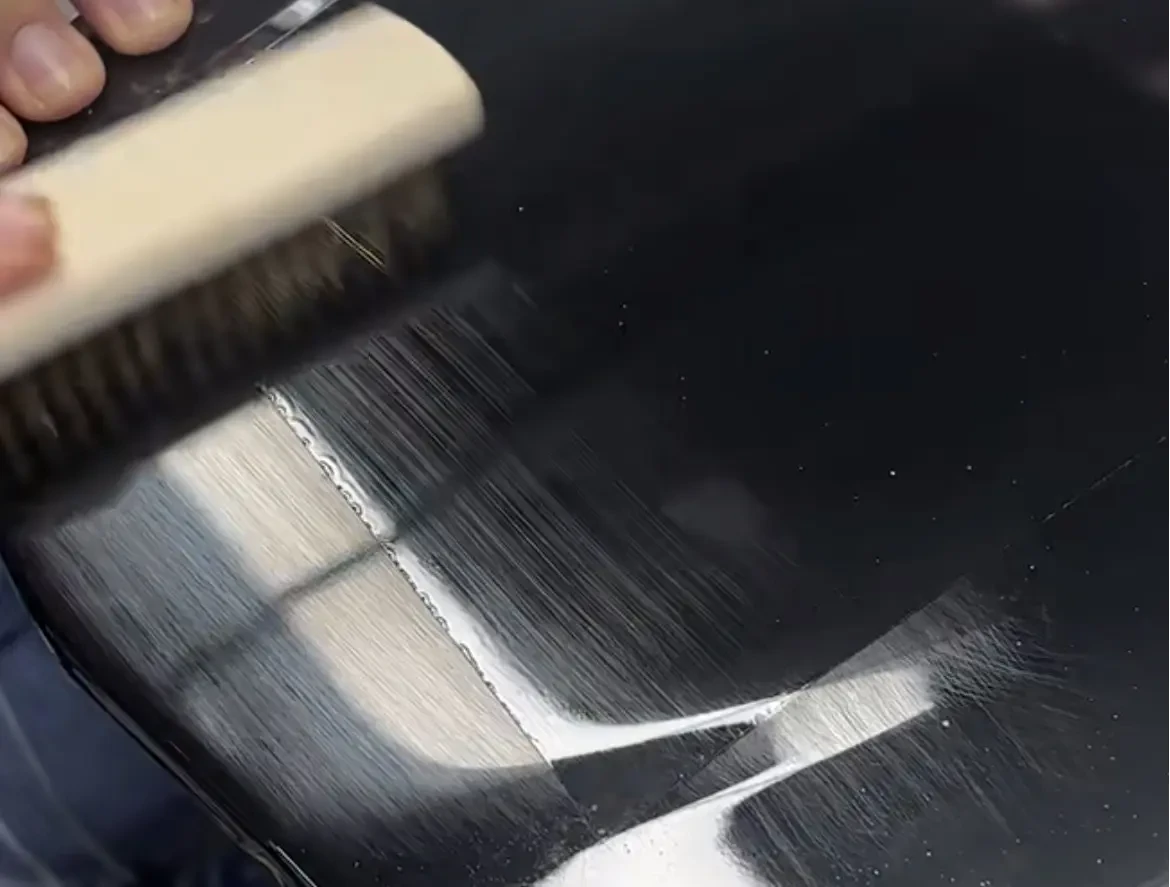
- Shrink in small passes rather than one large one, and let the film cool between passes.
- Post-heat after installation, especially on the outer edges.
- Work in shade, because roof glass heats quickly in direct sun.
- Check for antenna, sensor or trim seals before deciding the film edge.

Talking to the customer
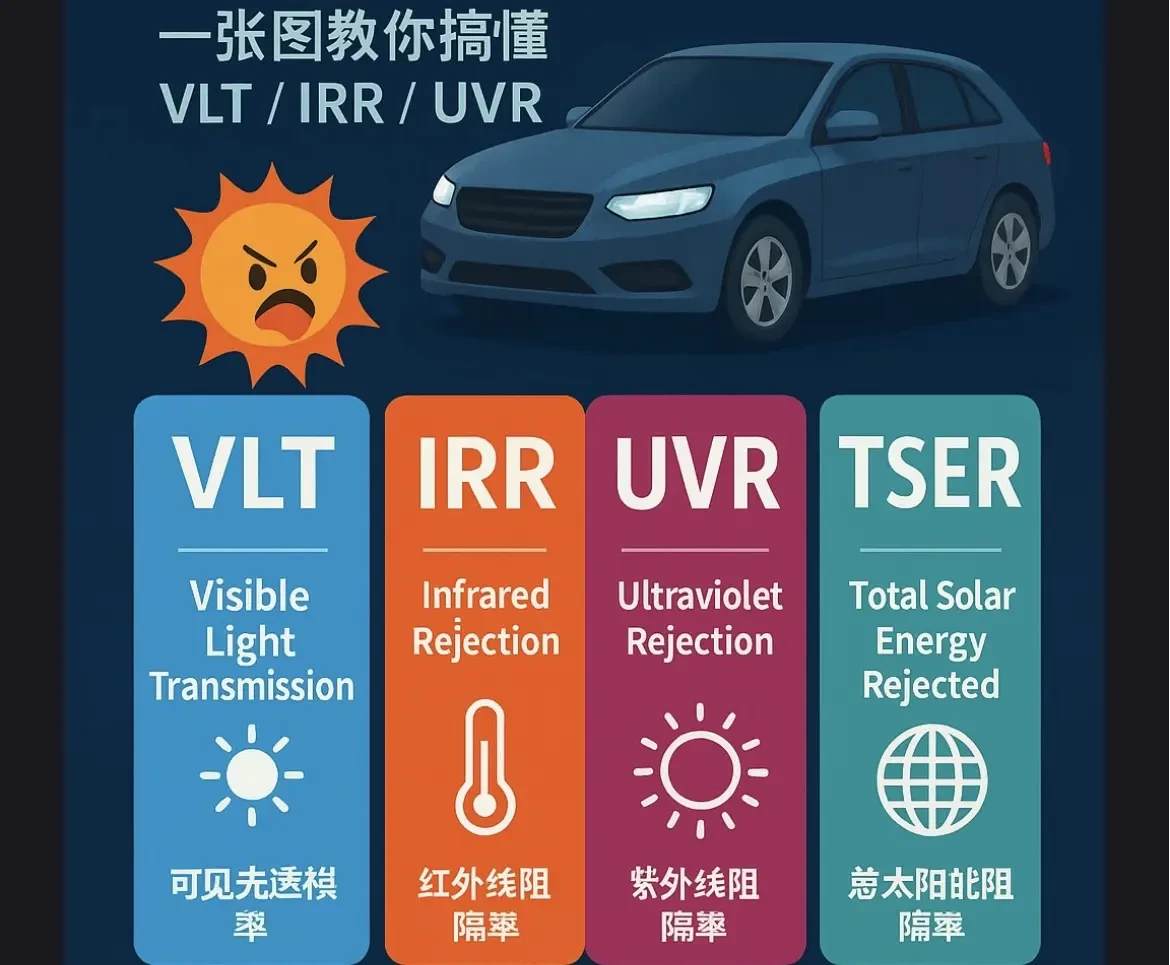
Explain that roof film reduces radiated heat into the cabin, that visible light can stay high, and that the film is removable. Customers who understood the purpose of the installation ask fewer questions later.
We can recommend grades suited to large curved glazing and share installation references.