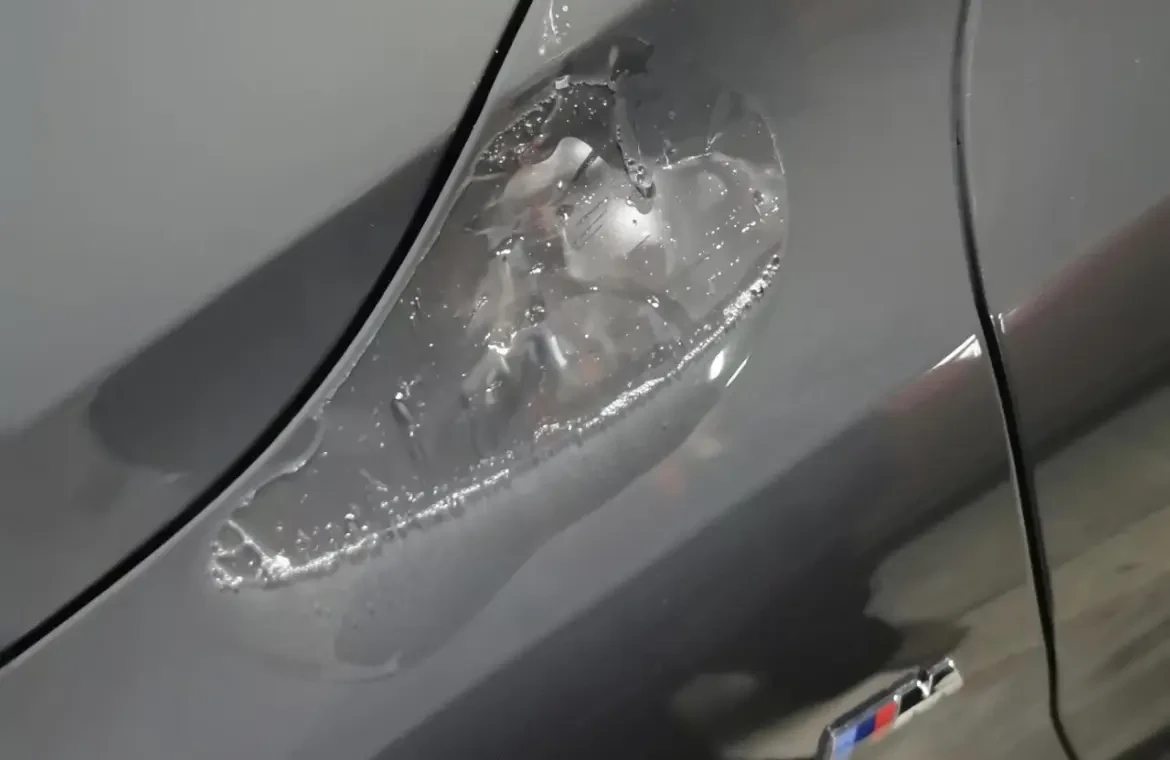

Paint protection film is designed for a wide temperature range, but installation is a different matter. In cold workshops, adhesive activation, conformability and post-heating all need attention.
What changes in the cold
Adhesive needs warmth to flow into the paint surface, and film becomes stiffer, which makes complex curves harder to stretch without stress marks. Heating the panel, the film or the room all help, but each has limits: overheating risks distortion, and under-heating leaves edges that lift later.
Practical measures
- Bring rolls into the workshop well before installation so they reach room temperature.
- Work with warm water or a controlled heat source rather than strong direct heat.
- Post-heat edges and complex curves as a matter of routine.
- Delay installation on very cold days rather than rush a job that will return.
- Tell customers how film behaves in freezing conditions, including temporary stiffness.

Scheduling around the season
Installers in cold markets often shift volume towards indoor work and pre-cut kits in winter, and use the quieter months for training. Distributors can support this by supplying formats that suit indoor workshops and scheduling deliveries ahead of cold snaps.
We can share storage and installation guidance for low-temperature conditions.