
Car wrap film — paint protection film applied to a vehicle's painted panels — has become a standard product for automotive film distributors. In most markets the first question from an end customer is simple: how glossy does it look on the car? This article outlines the high-gloss side of the Vnice Film TPU range, the specifications behind it, and the checks we recommend before a distributor commits to a container order.
What makes a car wrap look glossy
Three things decide how a clear film looks on paint: the clarity of the TPU substrate, the flatness of the top coat and the adhesive layer. A hazy substrate or a top coat with heavy orange peel scatters light and makes even a freshly installed film look slightly milky. Our high-gloss grades use a high-clarity TPU substrate and a smooth top coat, so the film follows the paint reflection instead of dulling it.

Self-healing top coats, explained
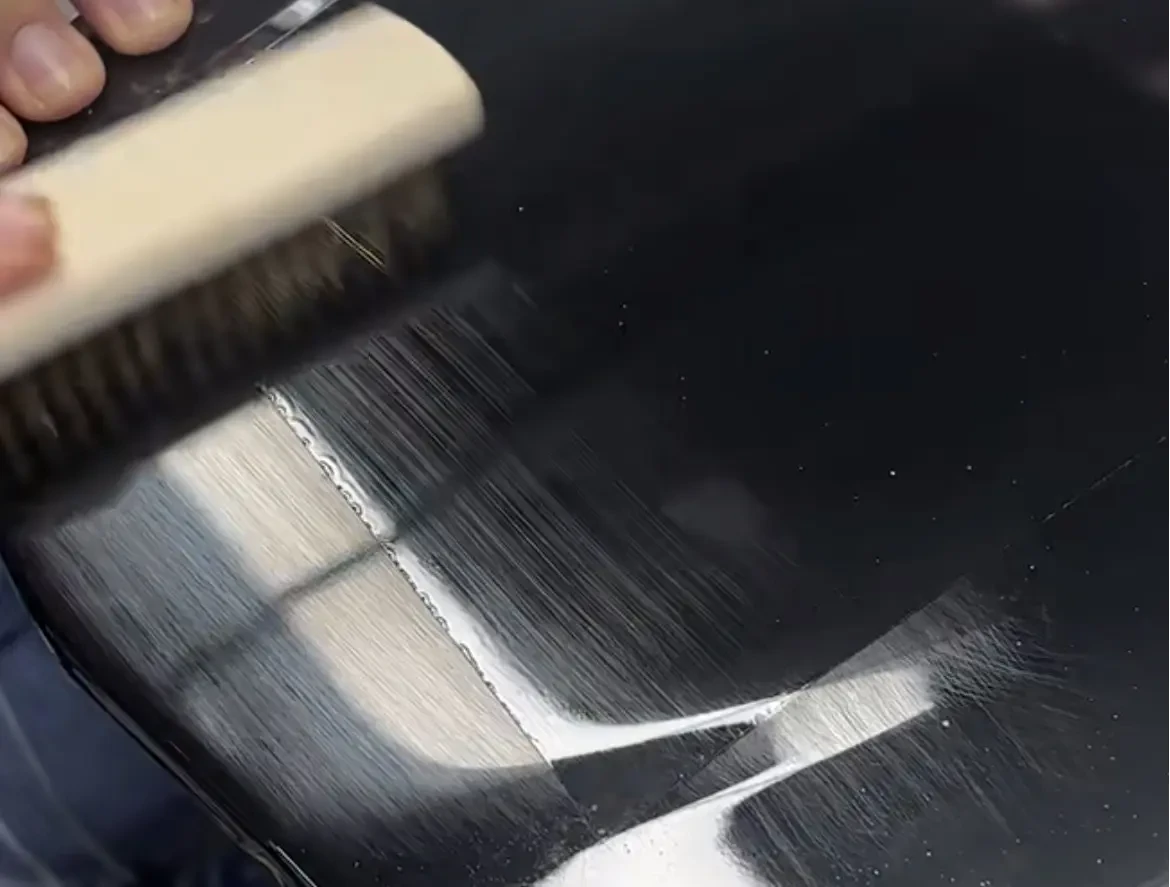
Self-healing describes the top coat recovering fine wash marks when it is warmed — by sunlight or warm water. It is a surface property, not a substitute for impact protection, and it does not restore cuts or deep scratches. Grades differ in how much warmth the coat needs to react, which matters when you supply cooler markets.
Thickness grades in the Vnice Film line
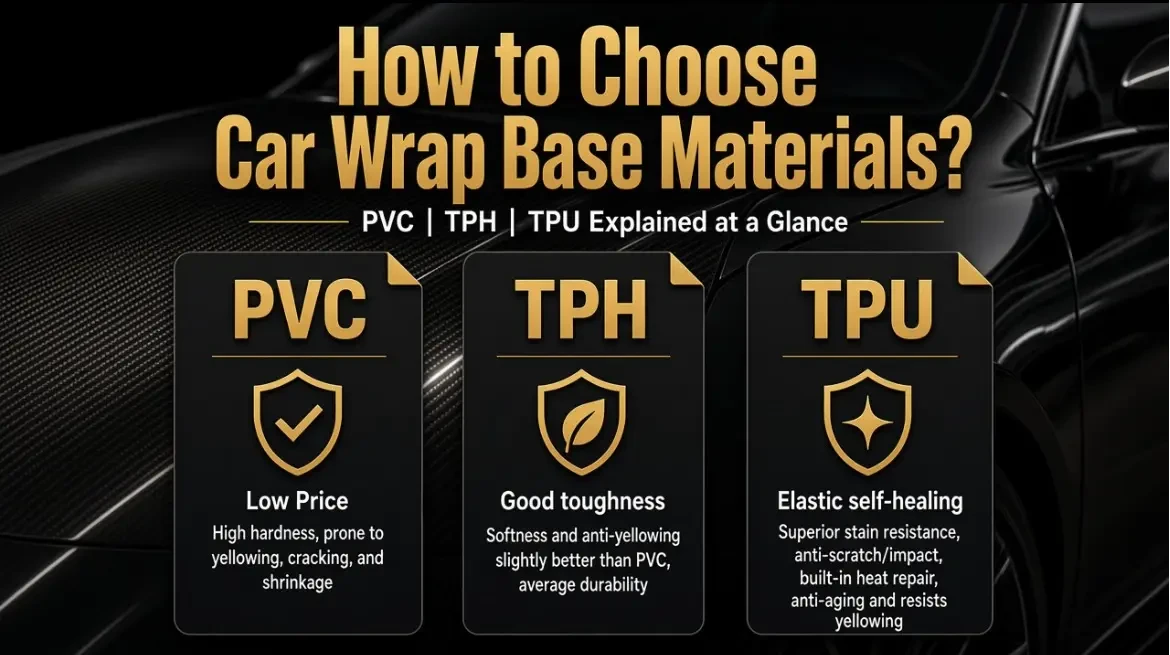
- TPU-H Series — 6.5, 7.5, 8.5 and 9.5 mil with a high-gloss top coat, supplied as our entry-level TPU wrap.
- TPU-M Series — Lubrizol substrate with a self-healing high-gloss coat, 7.5 mil to 9.5 mil.
- TPU-L Series — Madai substrate with a heat self-healing high-gloss coat, 7.5 mil to 9.5 mil, 8-year warranty term.
- TPU-VP Series — hydrophobic top coat for strong anti-stain performance, 10-year warranty term, aimed at premium full-body installations.
- TPU-D Series — satin matte finish, and TPU-LH150 — high-gloss black for roof and pillar accents.
Roll specifications
Car wrap rolls are 1.52 m wide. Adhesives come from IIIM, Henkel or Ashland depending on the series, and top coats are either hydrophobic or hydrophilic. Every roll carries a batch number, and cartons are labelled with series, thickness and shade code so a warehouse can identify stock without opening the box.
How to test a sample roll
- Hold the film against a light box and check for haze or visible coating lines.
- Look along the film at a low angle to judge orange peel.
- Apply a strip to a painted panel, then pour warm water over light wash marks to see how the top coat recovers.
- Check the adhesive after removal — a clean pull with limited residue is what you want to see.
- Confirm the warranty term and what the warranty covers in writing before quoting end customers.
We keep sample rolls and shade cards available for distributors who want to test the range in their own workshops. Contact our team for the current series datasheets and roll specifications.